How and Where to Sell Scrap Metal in the UK
To sell scrap metal, sort it by type, check its approximate value, contact a licensed dealer and take identification that proves your name and address. Compare the price and any deductions before you travel; payment rules depend on where in the UK you sell.
Updated 15 July 2026
How to sell scrap metal: the short answer
- Sort the metal by type and remove only attachments you can take off safely.
- Estimate its weight and value using our scrap metal calculator.
- Find a licensed dealer that accepts your material and buys from the public.
- Call for a quote and ask which grade, price per kg and deductions will apply.
- Take the required ID, proof of address and payment details.
- Check the weigh-in ticket before accepting the final payment.
What Scrap Metal Can You Sell?
Licensed yards buy many end-of-life metal items, but each yard has its own acceptance policy. Common examples include:
- Copper ... pipe, wire, cable, hot water cylinders, boiler parts
- Aluminium ... window frames, car wheels, engine blocks, guttering, drinks cans
- Steel and iron ... washing machines, fridges, radiators, gates, fencing, car parts
- Brass ... taps, door handles, pipe fittings, keys, decorative items
- Lead ... roof flashing, old pipes, car batteries
- Stainless steel ... sinks, catering equipment, handrails
- Cable ... electrical cable with copper inside (twin-and-earth, armoured, data cable)
For a per-item figure rather than a price per kilo, see what a copper cylinder, radiator, boiler, car battery, set of alloy wheels or washing machine is worth today, or browse every item.
Items such as boilers, radiators and plumbing from renovation work can contain a mix of copper, brass and steel. Separating metals usually helps the yard apply the correct grade instead of pricing the whole load as mixed material.
Call before taking gas cylinders, fridges, batteries, catalytic converters, sealed containers or anything containing oil or hazardous material. A yard may need specific permits, proof of ownership or a separate intake process. Never sell metal that is not yours.
Most Valuable Scrap Metals
Copper and specialist nickel alloys are usually among the higher-value materials, while steel and iron are generally worth less per kg but can add up in volume. Grade and cleanliness matter as much as the metal name.
- Copper — bright wire, clean tube and copper tanks are common high-value grades.
- Brass — often found in taps, valves and clean pipe fittings.
- Nickel alloys — potentially valuable, but specialist grades need correct identification.
- Lead — dense material commonly found in old roof flashing and some batteries.
- Aluminium — lower value per kg than copper but common in wheels, frames and sheet.
- Stainless steel — price varies by alloy and contamination.
- Steel and iron — usually volume materials, with different rates for light iron, heavy steel and cast iron.
Prices move with the market, so use the linked daily price pages or our scrap metal calculator instead of relying on a fixed price quoted in an old guide.
How to Identify Scrap Metal Types
Knowing what metal you have is the first step to getting the right price. Here are simple tests:
- Magnet test ... a strong attraction usually points to steel or iron. Copper, brass, aluminium and lead are non-magnetic. Many stainless grades are weakly magnetic or non-magnetic, but the test alone cannot identify the exact stainless alloy.
- Colour ... copper is reddish-orange. Brass is yellow. Aluminium is light silver. Lead is dark grey and very heavy. Steel is dark silver.
- Weight ... lead is extremely heavy for its size. Aluminium is very light. Copper and brass are in between.
- Sound ... aluminium makes a high-pitched ring when tapped. Lead makes a dull thud. Steel rings clearly.
- Scratch test ... scratch the surface. Copper shows bright orange underneath. Brass shows yellow. Chrome-plated steel shows grey under the shiny surface.
When in doubt, most scrap yards will identify your metal for free when you arrive. But knowing before you go means you can check that their price is fair.
Where Can You Sell Scrap Metal in the UK?
Skip the ring-round: get a quote from a licensed yard near you
Tell us what you have and your postcode. Free, no obligation.
Sell to a licensed local scrap metal dealer that accepts the material and quantity you have. Search Google Maps for “scrap metal dealer near me”, “scrap yard near me” or “scrap metal dealer” + your town, then check the dealer before travelling.
- Confirm they buy from the public. Some sites handle trade loads only or set minimum quantities.
- Ask what they accept. Tell them the metal, likely grade, approximate weight and whether anything is attached.
- Check the licence. In England and Wales, a site licence must be displayed prominently. You can also use the GOV.UK scrap metal dealer licence service to find the relevant council.
- Compare like-for-like quotes. Ask for the price per kg for the same grade, plus any minimum weight, contamination deduction or collection charge.
- Check practical details. Confirm opening hours, public access, unloading arrangements, ID requirements and when payment will arrive.
For a large load, ask whether the dealer offers collection and whether the collection price differs from the delivered price. Get the grade, rate and charges in writing where possible.
How Scrap Metal Prices Work
Commodity markets, including the London Metal Exchange (LME)for several non-ferrous metals, influence UK scrap values. They do not determine a guaranteed yard payout. A dealer's quote also reflects the grade, recoverable metal content, processing, transport, local demand and its current stock position.
- Grade and purity ... cleaner, correctly separated metal normally earns a better rate than mixed or contaminated material.
- Quantity ... a dealer may quote different rates at different weight thresholds.
- Location and logistics ... local competition, processing capacity and transport costs affect offers.
- Market conditions ... dealer prices can move even when your material has not changed.
Check our current UK price pagesfor a benchmark, then ask the yard for its actual buying price before making the journey. The final price is based on the yard's classification and measured weight.
How to Get the Best Price for Your Scrap
- Separate your metals. Keep copper, brass, aluminium, stainless and ferrous metal apart so each can be graded separately.
- Remove safe, obvious contamination. Separate accessible plastic, rubber and steel attachments only when you can do so without creating a safety risk.
- Know the likely grade. Different forms of the same metal can have very different recovery values. Our copper prices page, for example, explains common copper grades.
- Weigh before you go. A reasonable estimate lets you compare the final weigh-in ticket with what you expected.
- Call ahead. Confirm the current rate, minimum quantity, accepted ID and payment timing before loading your vehicle.
- Compare the final return. A higher headline rate may not be better after grade deductions, collection charges and travel costs.
- Ask before stripping cable. Some cable is better sold intact. Never burn insulation, and do not work on cable unless you know it is disconnected and safe.
- Plan sensible batches. Combining material can reduce travel cost, but store it securely and do not keep hazardous items at home.
Scrap seller's starter kit
Affiliate disclosure: we earn a small commission from Amazon purchases made via these links, at no extra cost to you.
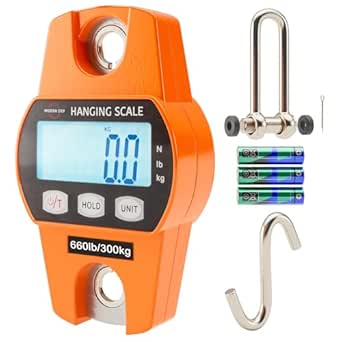
Digital Hanging Scale 660 LB 300 KG - Professional Heavy Duty Waterproof Fish Scale - Portable Durable Crane Scale for Luggage Weight Suitcase Hunting Farm Bike Bow Fish Weight Fishing Scale
Weigh scrap accurately before you head to the yard — yards round down.

Magfishion Magnet Fishing Kit - 300kg (2 x 150kg) - Super Strong Neodymium Magnet - Double Sided Electromagnet - Inc. 20M Rope - Carabiner - Gloves - Thread Loose - Diameter 60mm
Tell ferrous from non-ferrous instantly — the cheapest grading tool.
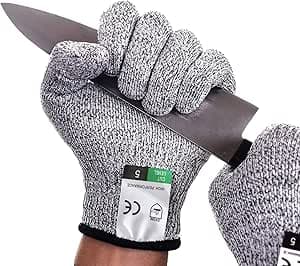
Cut Resistant Gloves Protective Gloves Food Grade Level 5 Protection and EN388 Certified Safety Gloves Garden Works, Heep Cooking Gloves for Oyster Shucking, Welding and Wood Carving
Cut-resistant gloves rated EN388 Level 5 for handling sharp scrap.
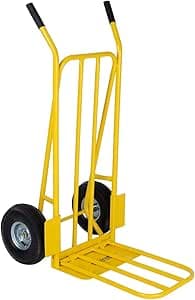
BULLDOZER PRO Heavy Duty Sack Truck, Folding Platform Trolley, Pneumatic Tyres Sack Barrow, Durable Steel Frame, Rubber Handle Grips, Domestic & Commercial Use, 270kg Capacity, Yellow (112x56.5x47cm)
Move heavy loads of copper pipe or radiators without ruining your back.
UK Scrap Metal Laws: ID and Payment
Rules are not identical across the UK. In England and Wales, the Scrap Metal Dealers Act 2013requires a dealer to verify the seller's full name and address before receiving metal. It also requires dealers to keep transaction records.
- Cash is not permitted in England and Wales. Payment must be by non-transferable cheque or an electronic transfer of funds. Ask the yard which method it uses and when funds normally arrive.
- A passport alone does not prove your address. A valid photocard driving licence showing your current residential address can satisfy the prescribed checks. Otherwise, take valid prescribed photo ID plus a recent bank or card statement, council tax document or utility bill (not a mobile phone bill) showing your name and address.
- Recent address evidence means no more than three months old. The full list is in the official identity-verification regulations.
- Vehicle details are recorded. When metal is delivered in a vehicle, the dealer records its registration mark.
- Licensed dealers keep records. England and Wales have site and mobile collector licences, and relevant transaction records must be retained for three years.
Scotland has separate metal-dealer legislation. Cash is also prohibited there: permitted payment methods include a non-transferable cheque or an electronic transfer to an account in the payee's name. Dealers must keep transaction information and copies of documents used to verify a seller's name or address.
Northern Ireland operates under different legislation and dealer-registration arrangements. Ask the dealer which identification and payment rules apply before travelling. Wherever you sell, be prepared to show ownership or provenance for unusual, marked or high-risk items.
What ID and Details Should You Take?
Ask your chosen yard exactly what it accepts. A practical checklist is:
- Prescribed photo ID — usually a valid photocard driving licence or passport; England and Wales also prescribe certain other documents.
- Recent proof of address if your photo ID does not show your current residential address.
- Bank details in the seller's name if the dealer pays by electronic transfer.
- Proof of ownership or origin for unusual items, vehicle parts or material carrying identifying marks.
- Your quote notes — the agreed grade, price per kg, estimated weight and any deductions.
Keep the weigh-in ticket and payment record after the sale. If the yard classifies the metal differently from the telephone quote, ask it to explain the grade before you accept.
Is It Worth Scrapping?
Value depends on weight, grade, contamination, travel cost and the yard's current rate. As a quick guide:
- Old boiler ... can contain several metal grades, but it must be safely disconnected and the yard must accept it.
- Copper cylinder or clean copper pipe ... often worth separating and quoting because of its copper content.
- Car battery ... use a yard authorised to accept batteries and transport it upright without leaks.
- Old radiators ... copper-and-brass units are normally more valuable per kg than steel panel radiators.
- Washing machine ... usually a low-value mixed appliance; check whether a yard accepts it before transporting it.
- Aluminium cans ... light, so a small household quantity may not justify a separate journey.
- Electrical cable ... value depends heavily on cable type and copper recovery. Keep different cable grades separate.
Use our calculatorto estimate the value of your scrap before making a journey, then confirm the yard's actual buying rate.